Surgical Airway Management
Gain Knowledge on Emergent Surgical Airway Management to Successfully Treat Your Patients. Develop your diagnostic & surgical treatment skills. Upcoming Surgical Cases: Fiberoptic Intubation

Head & neck reconstructive surgical cases and key surgical concepts are prepared as narrated lectures for medical students, residents, and fellows. Â
For experienced attendings, advanced reconstructive cases demonstrate novel surgical techniques and treatment algorithm approach to help with your next case. Â
The dreadful feeling of not knowing an answer to a question being asked in the OR…We realize it is hard to prepare for cases. So much to read and so much information to find from different sources! Â
We have created narrated lectures & quick study guides to provide answers to commonly asked questions covering key anatomy and surgical concepts. Â
Show up prepared for your next case!Â
It can be anxiety provoking trying to assist and prepare for a surgical case you have never seen before. There is only so much you can gain from random Youtube videos.Â
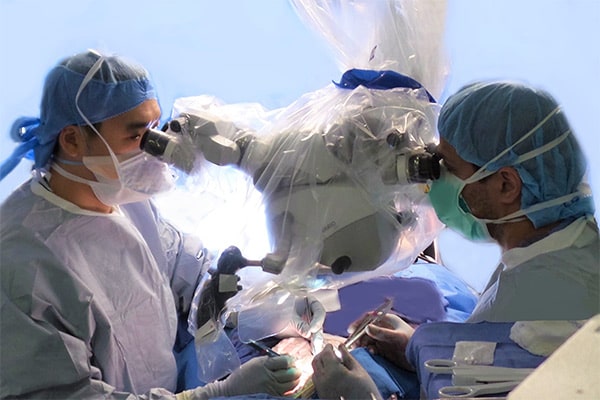
There is a good chance that if you are preparing for an adult head & neck surgical case that belongs in any of the following categories (head & neck cancer surgery, facial plastic & reconstructive surgery, open anterior/middle skull base, oculoplastic) there will be an edited, full-length, surgical case example for you to watch ahead of time!Â
Â
There is no need to carry around a heavy textbook around anymore. Â
Watch & Learn at your pace. Â
Compatible on any of your devices and across all platforms.Â
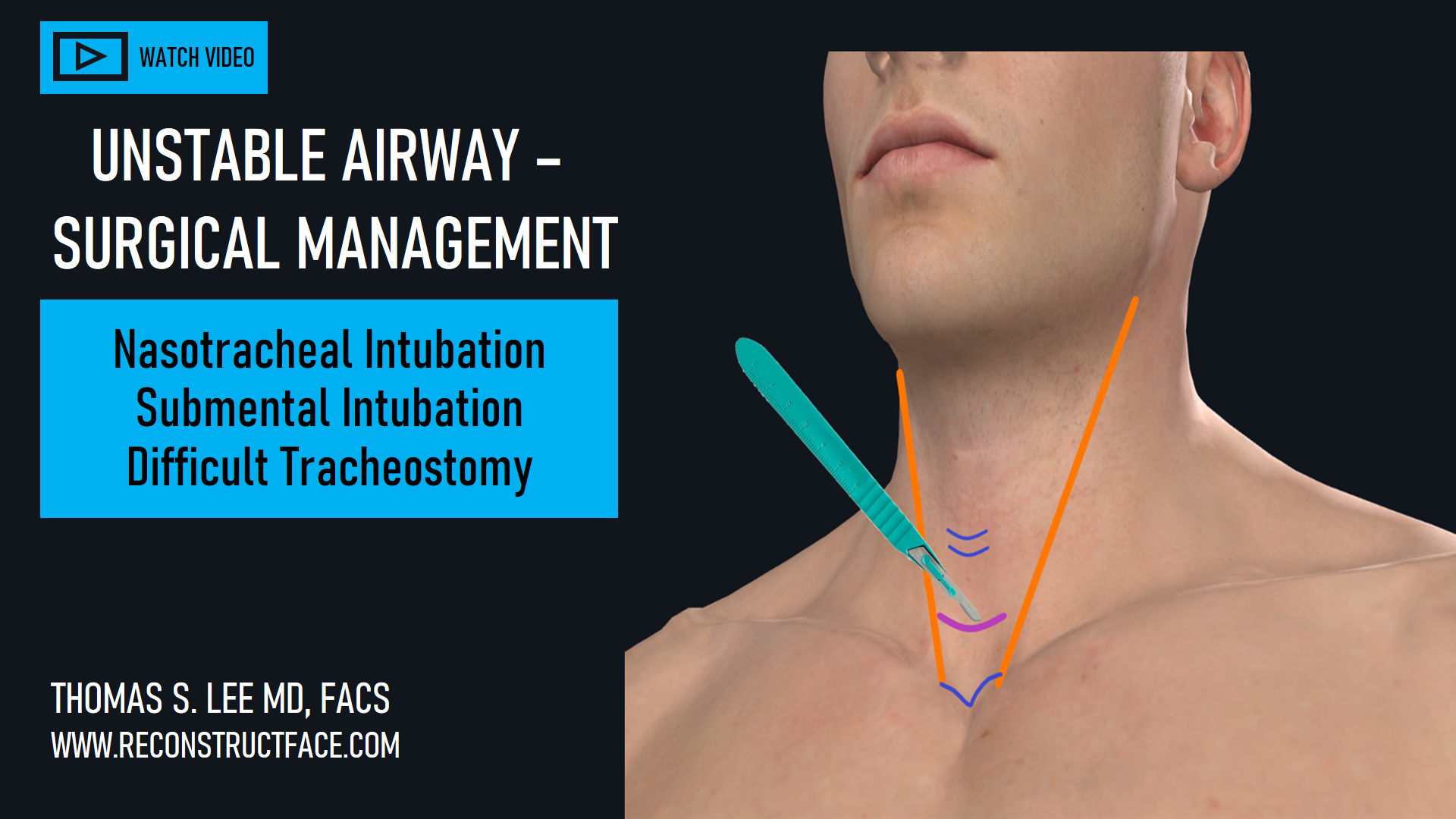
Gain Knowledge on Emergent Surgical Airway Management to Successfully Treat Your Patients. Develop your diagnostic & surgical treatment skills. Upcoming Surgical Cases: Fiberoptic Intubation

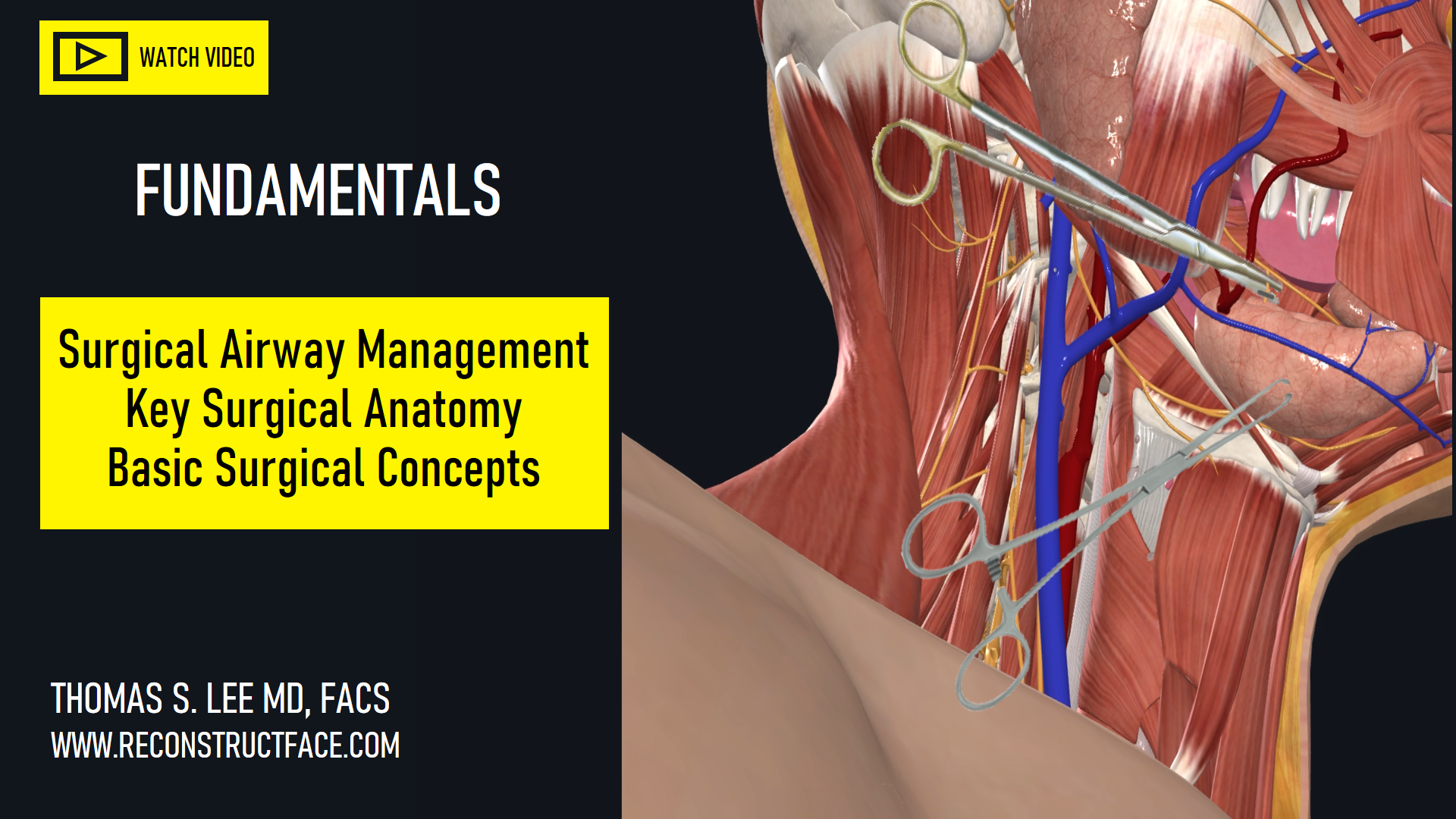
Gain knowledge on basic surgical anatomy, surgical concepts and unstable airway management. Develop your medical & surgical treatment skills.
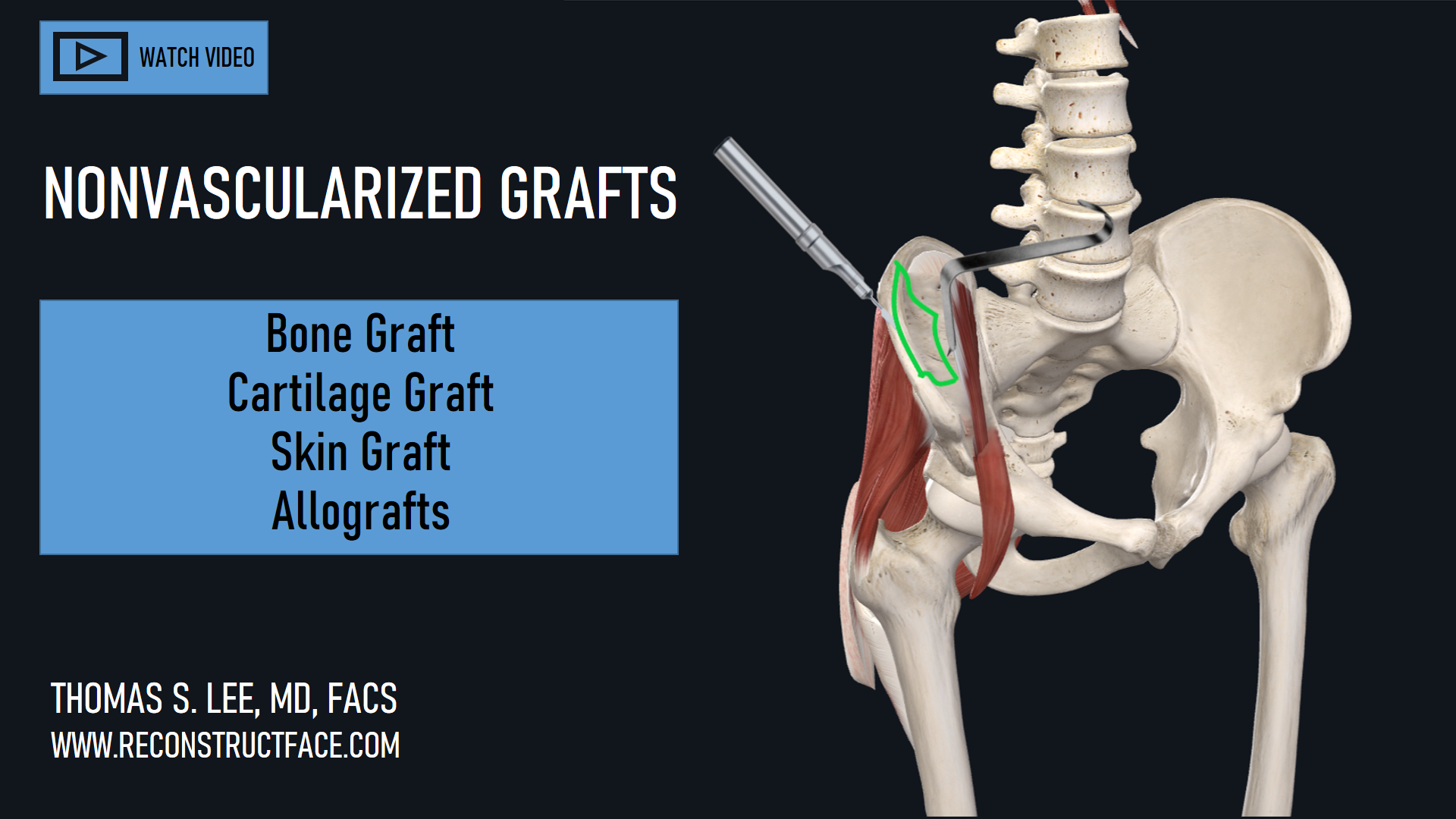
This course describes surgical techniques involved in harvesting & application of nonvascularized skin graft, cartilage graft and bone graft. In addition, usage of allografts are described. Upcoming Surgical Videos:Â Full Thickness Skin Graft, Allografts (Integra, Novosorb)
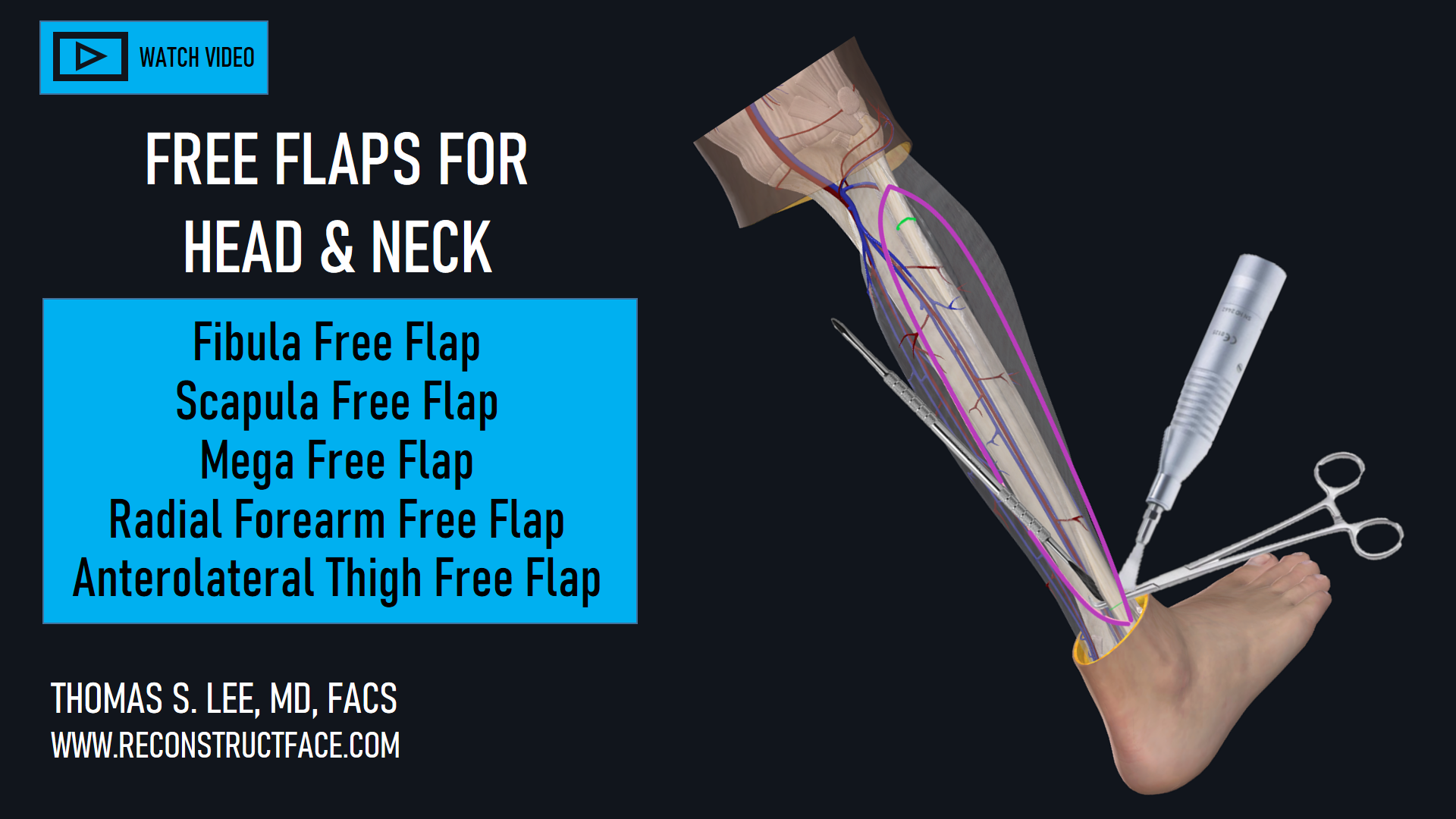
This course contains surgical cases that include microvascular reconstruction of head & neck. These surgical cases contain free flap cases that are considered fellow & junior attending level cases. Upcoming Surgical Videos: Anterolateral Thigh Free Flap for Large Volume Defect Reconstruction Harvest & Closure, Scapula Free Flap Harvest & Closure, Radial Forearm Free Flap Harvest & Closure
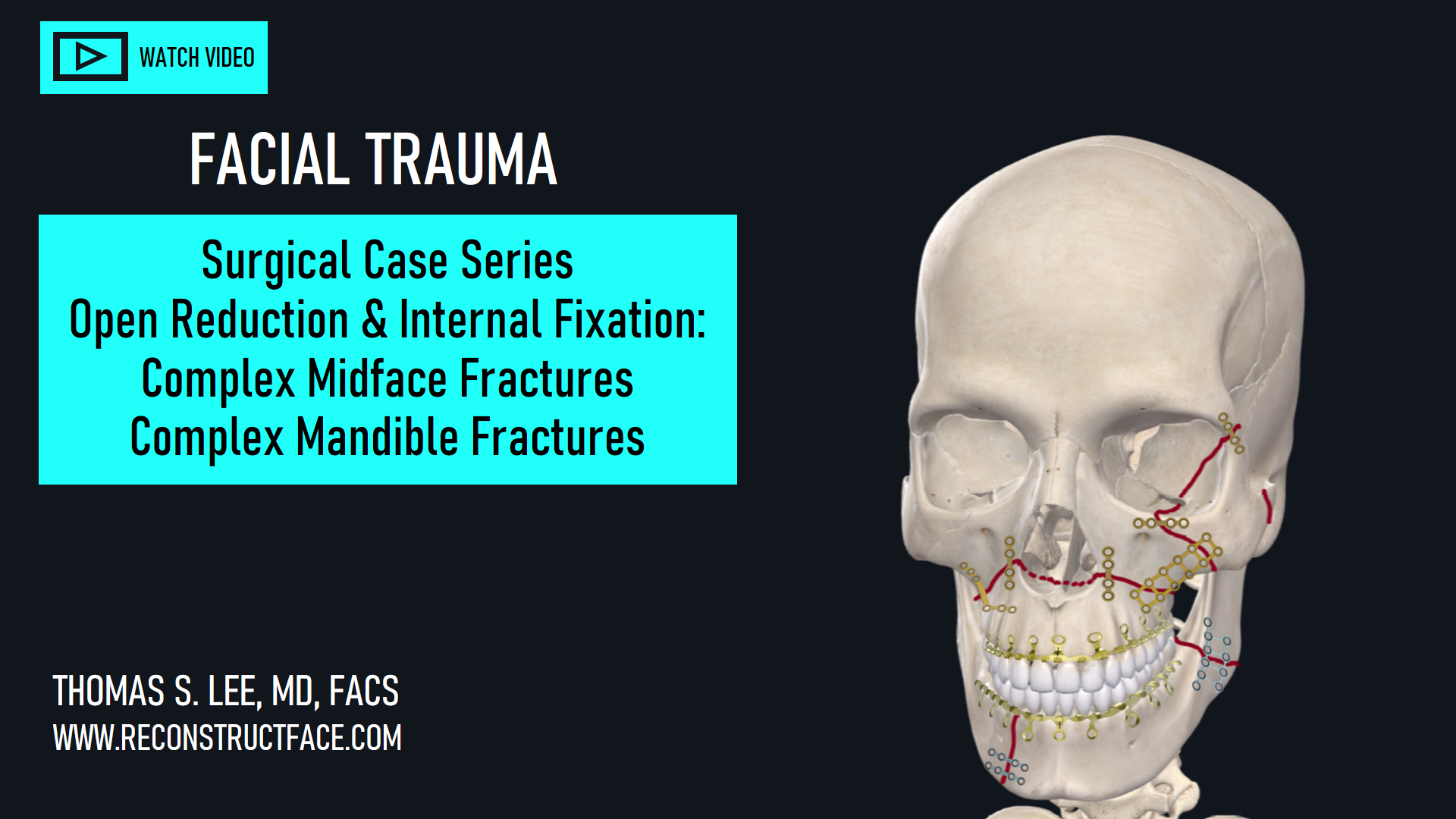
This course contains routinely encountered facial fractures & demonstrates various open reduction & internal fixation techniques. Upcoming Surgical Videos: Anterior Table Frontal Sinus ORIF with Obliteration, Complex NOE Fracture ORIF with Staged Custom PEEK Cranioplasty, Segmental Mandible Defect after Gunshot Injury Reconstruction using Pectoralis Flap (First Stage)
This course includes commonly utilized locoregional flaps from the head & neck region. Reconstruction of various nose and facial defects are demonstrated. Upcoming Surgical Videos: Pericranial Flap, Temporalis Flap, Melolabial Flap, FAAM Flap, Submental Island Flap, Supraclavicular Flap, Pectoralis Flap, Pedicled Latissimus Flap, SCM Flap for Anterior Spine Hardware Coverage, Postauricular Flap for Partial Auriculectomy Defect
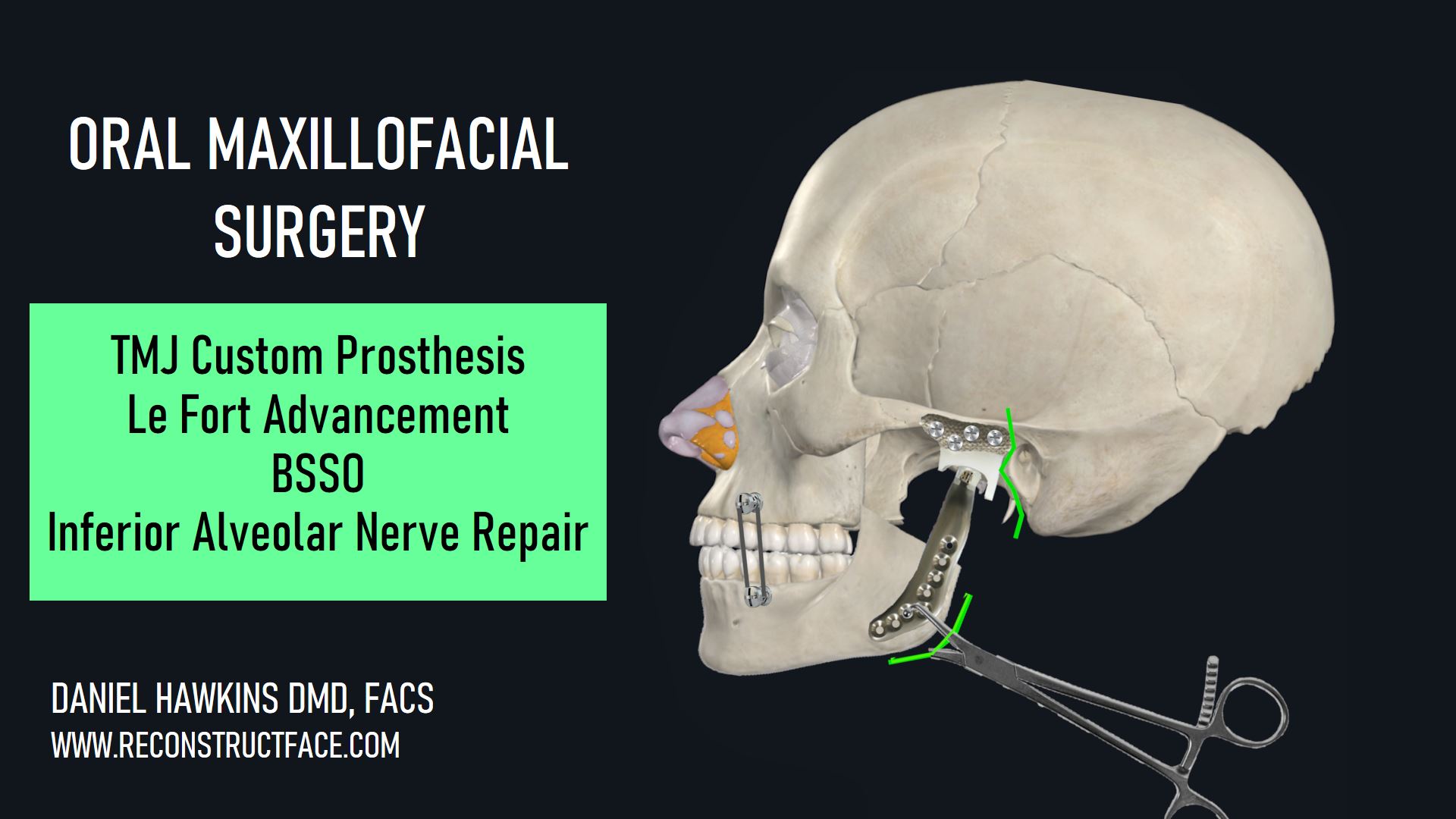
Commonly performed procedures by OMFS surgeons demonstrated by Experienced OMFS Attending Faculties Upcoming Surgical Videos: Inferior Alveolar Nerve Repair
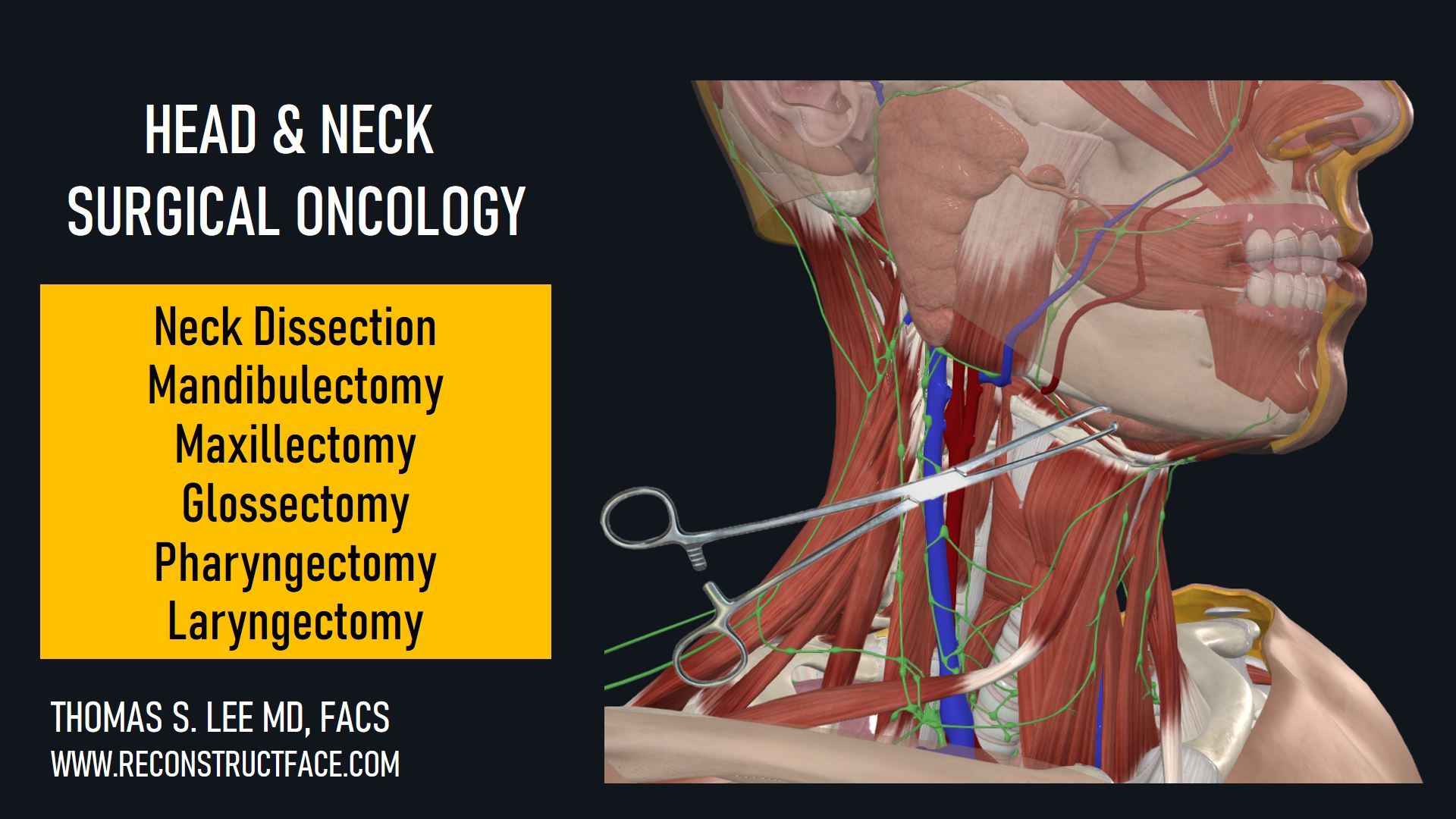
This course demonstrates commonly performed head & neck cancer resection surgeries. Upcoming Surgical Videos: Segmental Mandibulectomy, Maxillectomy with Orbital Exenteration & Skull Base Resection, Partial Glossectomy, Pharyngectomy, Laryngectomy
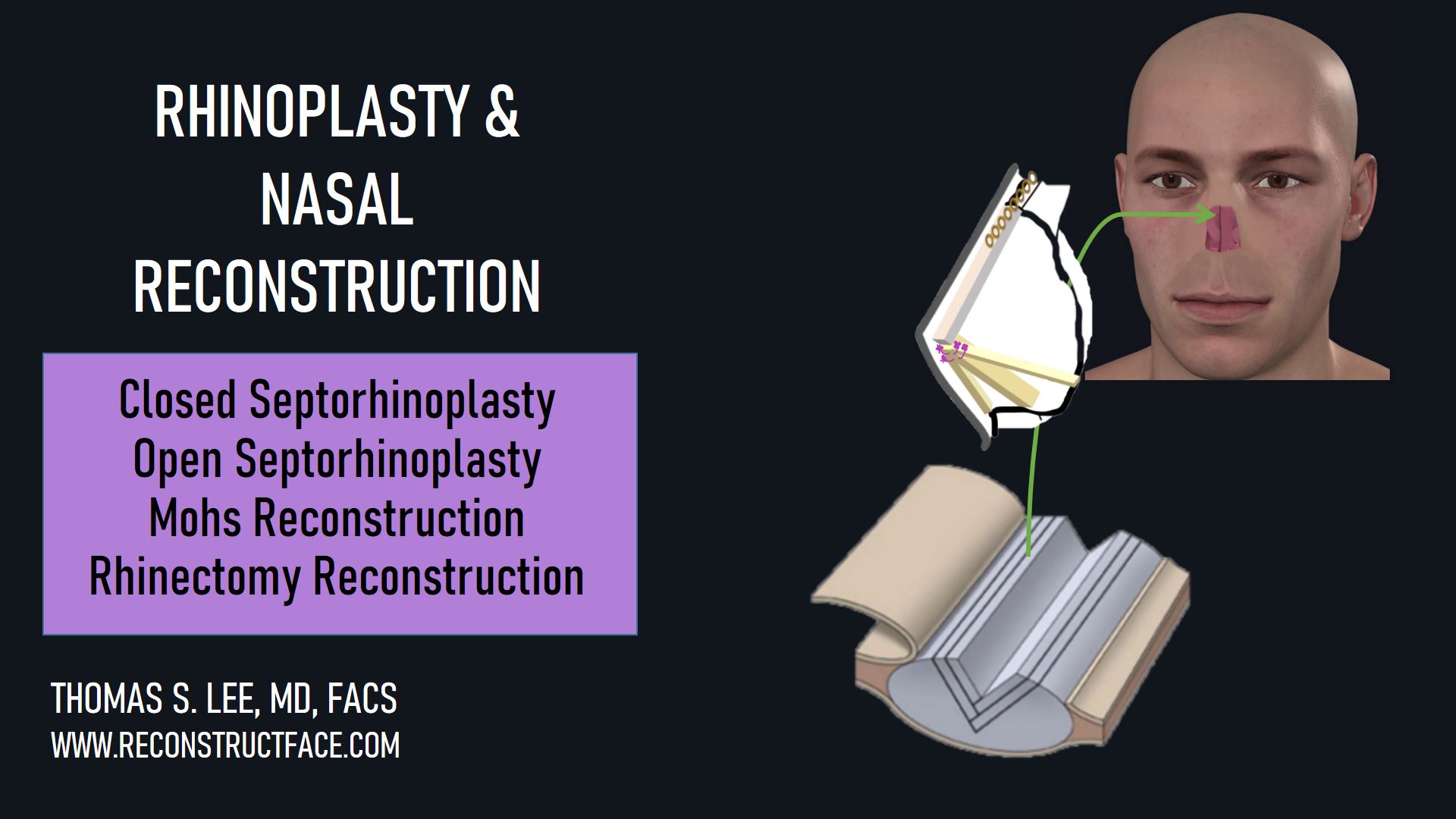
This course demonstrates septorhinoplasty in closed and open approach to treat nasal obstruction. In addition, nasal reconstruction that includes local flaps to free flap reconstruction are demonstrated. Upcoming Surgical Videos: Open Septorhinoplasty with dorsal hump reduction after Trauma, Total Alar defect Reconstruction using Melolabial Flap & Ear Cartilage Graft, Partial Rhinectomy Reconstruction
The atlas is meticulously designed for residents, fellows, and training directors across specific surgical specialties focusing on advanced reconstruction, explicitly aligned with ACGME key indicators:
• Oral and Maxillofacial Surgery (OMFS): Residents and fellows specializing in facial trauma, orthognathic procedures (such as LeFort advancement, genioplasty, and BSSO), TMJ joint prosthesis replacement, microvascular reconstruction, and complex ablative/reconstructive surgery.
• Otolaryngology (ENT): Residents and fellows focusing on facial plastic, reconstructive, and head & neck oncologic surgery, including free flap reconstruction, Mohs reconstruction, total rhinectomy reconstruction, facial nerve repair, rhinoplasty, and nasal airway surgery.
• Plastic & Reconstructive Surgery: Trainees focusing heavily on head & neck related microvascular and regional flap reconstruction.
Unlike standard video clips or surface-level tutorials, our atlas provides complete, multi-angle surgical case reports curated from tertiary referral centers. Every module is structured for high-efficiency review:
• Comprehensive Preoperative Planning: Real-world decision-making, treatment algorithms, and complex case selection.
• Unmatched Intraoperative Visuals: High-definition footage of complex resections, microvascular flaps, and reconstruction unavailable in standard texts.
• Post-Fellowship Expertise & Multidisciplinary Collaboration: Practical techniques, nuances, and pitfall avoidance drawn directly from extensive post-fellowship experience, featuring complex cases managed through the combined decades of expertise of different subspecialty specialists working together.
• ACGME Key Indicator Alignment: Directly supports resident and fellow case preparation when time is limited.
Each structured video lecture is designed from a first-person perspective to optimize resident and fellow preparation:
• First-Person Intraoperative Footage: High-definition POV surgical videos incorporating endoscopes, neuronavigation, and microscopes to simulate real-time primary surgeon experience.
• Preoperative Planning & Rationale: Comprehensive review of pre-op imaging, diagnosis, alternative reconstruction options, and treatment decision-making.
• Full-Spectrum Case Context: Coverage spanning initial tumor resection or skull base exposure through flap harvesting, microvascular inset, and closure.
• Expert Narration & Anatomical Overlays: Surgeon-led narration with critical anatomic structures highlighted on-screen, ideal for junior trainees tackling open neck cases.
• 3D Anatomy & Postoperative Follow-up: Custom 3D medical illustrations combined with reviews of the postoperative course and multi-staged procedures.
Our current curriculum directly reflects the specialized reconstructive focus of Dr. Lee’s clinical practice. Consequently, certain sub-specialty areas are excluded from the current version:
• Pediatric Craniofacial Cases: The atlas does not currently contain surgical case series involving pediatric craniofacial procedures, such as cleft lip and palate, craniosynostosis reconstruction, or pediatric airway management.
• Active Content Expansion: We have ongoing plans to expand our curriculum by collaborating with additional leading surgeons and will notify institutional partners as new modules become available.
Variations in surgical technique are a natural part of advanced medical education. Trainees should approach these differences with a clear framework for professional growth:
• Follow Your Supervising Instructor: Always perform surgery as taught by your current instructor and strive to understand the clinical rationale behind their specific methodology.
• Broaden Your Repertoire: Your long-term training goal is to observe and master multiple valid approaches so you can shape your own independent clinical philosophy upon graduation.
• Understand Contextual Refinement: The techniques presented in this atlas reflect a dedicated pursuit of consistent outcomes and complication reduction tailored to specific, unique patient anatomies.
• Prioritize Adaptability: Because no two reconstruction cases are identical, successful surgeons must remain adaptable, modifying their treatment plans based on real-time intraoperative findings and nuanced decision-making.
We prioritize your satisfaction with our surgical lectures and content. Memberships can be cancelled at any time through clear, flexible terms:
• Cancellation Method: You may cancel your membership at any time with a written notice submitted via email.
• Monthly Subscriptions: A full refund of the most recent month’s subscription fee is issued from the day of the cancellation request. If you are within 30 days of your monthly subscription starting, a 100% refund is provided.
• Annual Subscriptions: You will receive a reimbursement for the remaining time on your annual plan plus an additional 30 days (or one month) from the time of your written cancellation request.
Trainees looking for alternative ways to access the platform have several institutional options available:
• Institutional Access Pathways: Contact us directly to explore options for gaining access through your medical training institution’s library subscription.
• Request Department Sponsorship: Ask your teaching program to subscribe to institutional services, securing full access for you and your colleagues in training.
• Designed for Trainee Efficiency: The platform is built with educators in mind, delivering key surgical concepts for complex reconstructive head & neck cases in a concise, time-efficient multi-media format.
For individuals experiencing severe economic hardship or located outside of North America and Western Europe who cannot afford standard subscription fees, we offer customized fee schedules to support our global mission.
To apply for a customized plan, please reach out to us and provide the following information:
• Geographic Location: The city and country in which you practice medicine.
• Professional Profile: Your current credentials, medical specialty, and associated medical institution.
• Educational Value: How you would specifically benefit from this surgical training material.
• Community Impact: How you plan to use this knowledge to positively impact and help your fellow human beings.
Dr. Lee brings extensive academic, clinical, and leadership experience to the surgical atlas:
• Current Academic & Leadership Roles: Professor in the Department of Otolaryngology – Head & Neck Surgery at Virginia Commonwealth Medical University and Director of the Facial Trauma & Reconstruction Division. Actively trains residents and fellows in ENT, OMFS, and Plastic Surgery, and was awarded Best Teacher of the Year by ENT residents in 2016 and 2017.
• Educational Background: Completed Otolaryngology – Head & Neck Surgery residency at Upstate Medical Center in Syracuse, New York, followed by a facial plastic & reconstructive fellowship under Dr. Yadro Ducic in Dallas, Texas. Earned an M.D. from Stony Brook Medical Center and graduated summa cum laude in psychology from SUNY Buffalo, NY.
• Board Certifications & Honors: Dual board certified in Otolaryngology – Head & Neck Surgery and Facial Plastic & Reconstructive Surgery, alongside serving as a Fellow of the American College of Surgeons (FACS).
• Research Focus: Conducts active research in computational fluid dynamics of the nasal airway and optimizing outcomes for head & neck patients undergoing microvascular reconstruction.
The numbers associated with every lecture signify the postgraduate levels at which the viewer should ideally have acquired or mastered the information, reflecting the senior author’s teaching background in otolaryngology (ENT) surgical training.
The numbering structure serves as a general guideline for surgical competency and case complexity across training stages:
• 100s: Medical Students & PGY1 (Core introductory knowledge expected during initial service rotations)
• 200s: PGY2
• 300s: PGY3
• 400s: PGY4
• 500s: PGY5 (Advanced cases typically performable with some supervision)
• 600s: Fellows
• 700s: Attending (Cases successfully completed by attendings starting out post-fellowship)
• 800s: Experienced Attending (Complex cases requiring prior experience, best attempted by attendings 4+ years out after fellowship)
• 900s: Multi-Specialty Experienced Attendings Required (Joint multidisciplinary cases requiring specialized expert collaboration)